




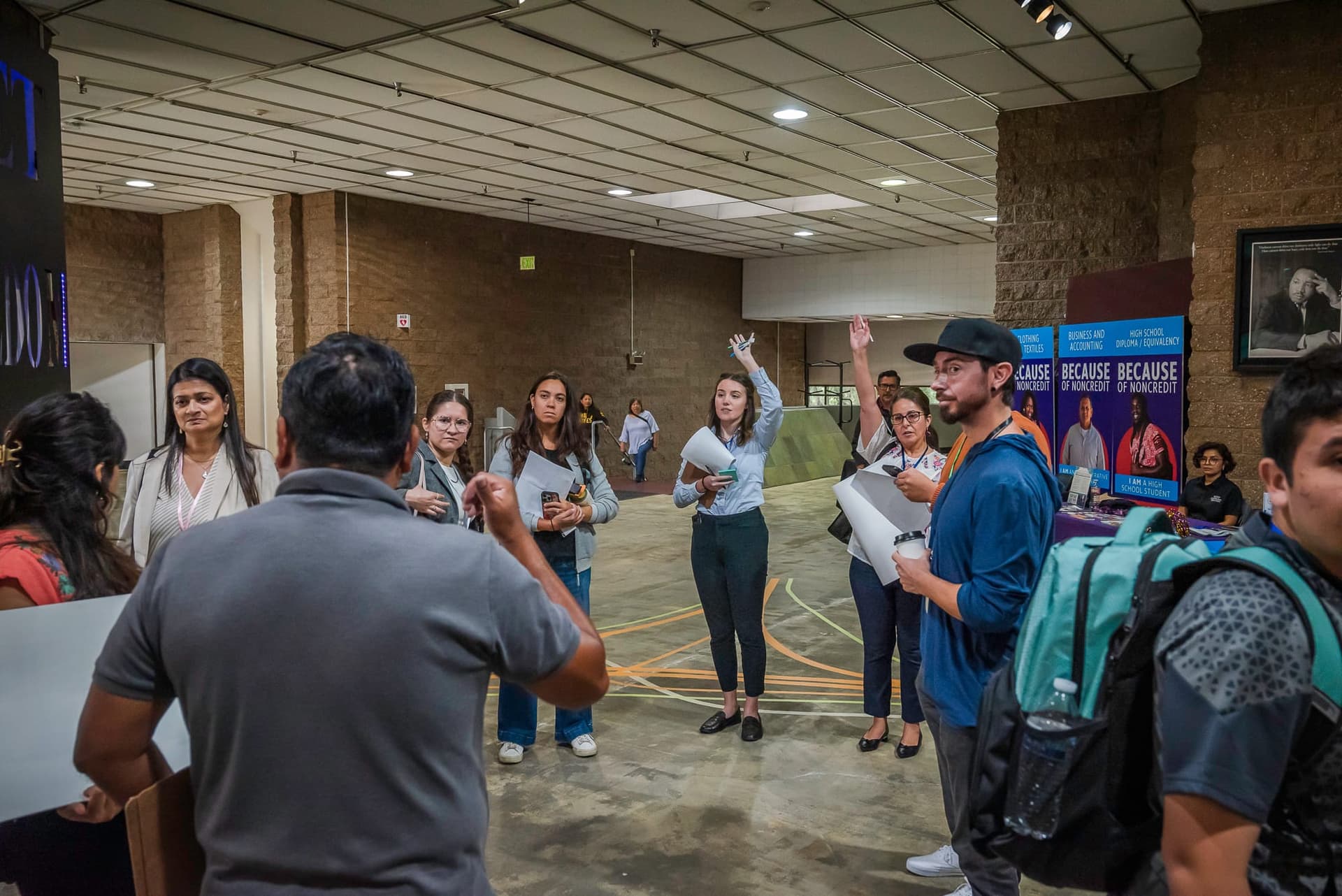
What is smart growth?
Smart growth is an approach to community design that connects housing, transportation, and land use to create healthy, prosperous, and resilient neighborhoods.
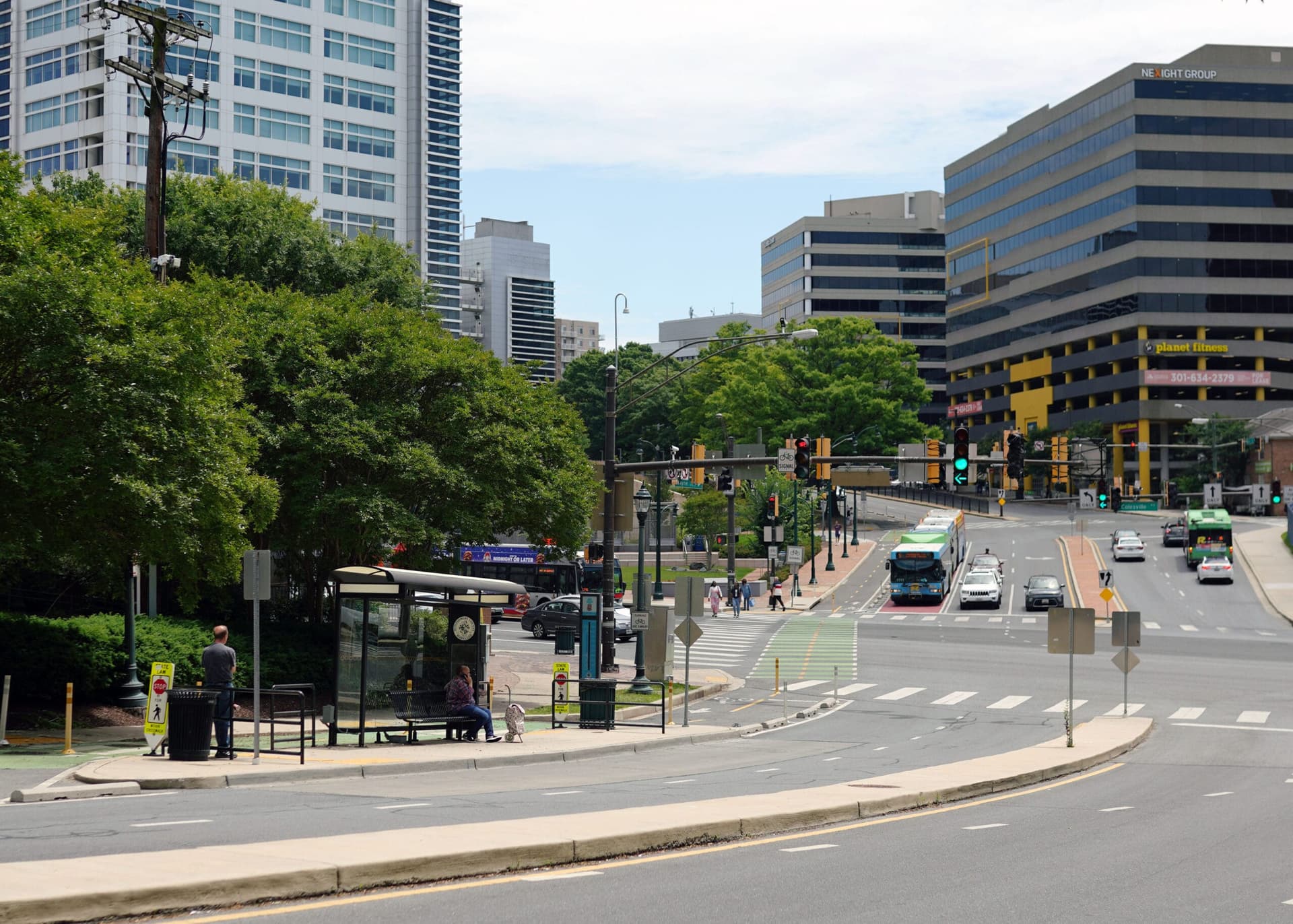
About us
Smart Growth America cultivates vibrant, sustainable communities with diverse living and transportation options, enhancing quality of life for all.
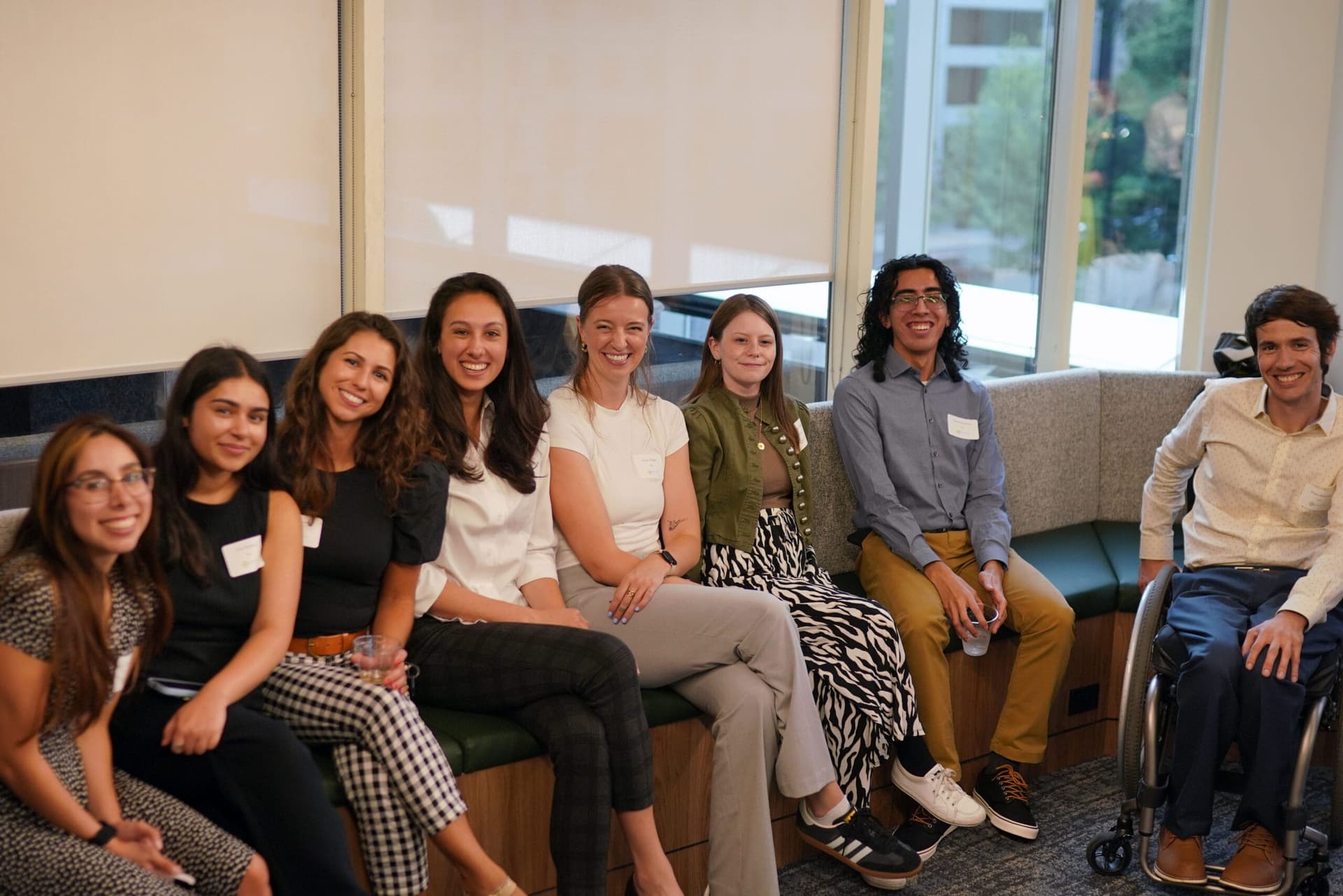
Our work
Smart Growth America cultivates vibrant, sustainable communities with diverse living and transportation options, enhancing quality of life for all.
Explore Our Signature Reports
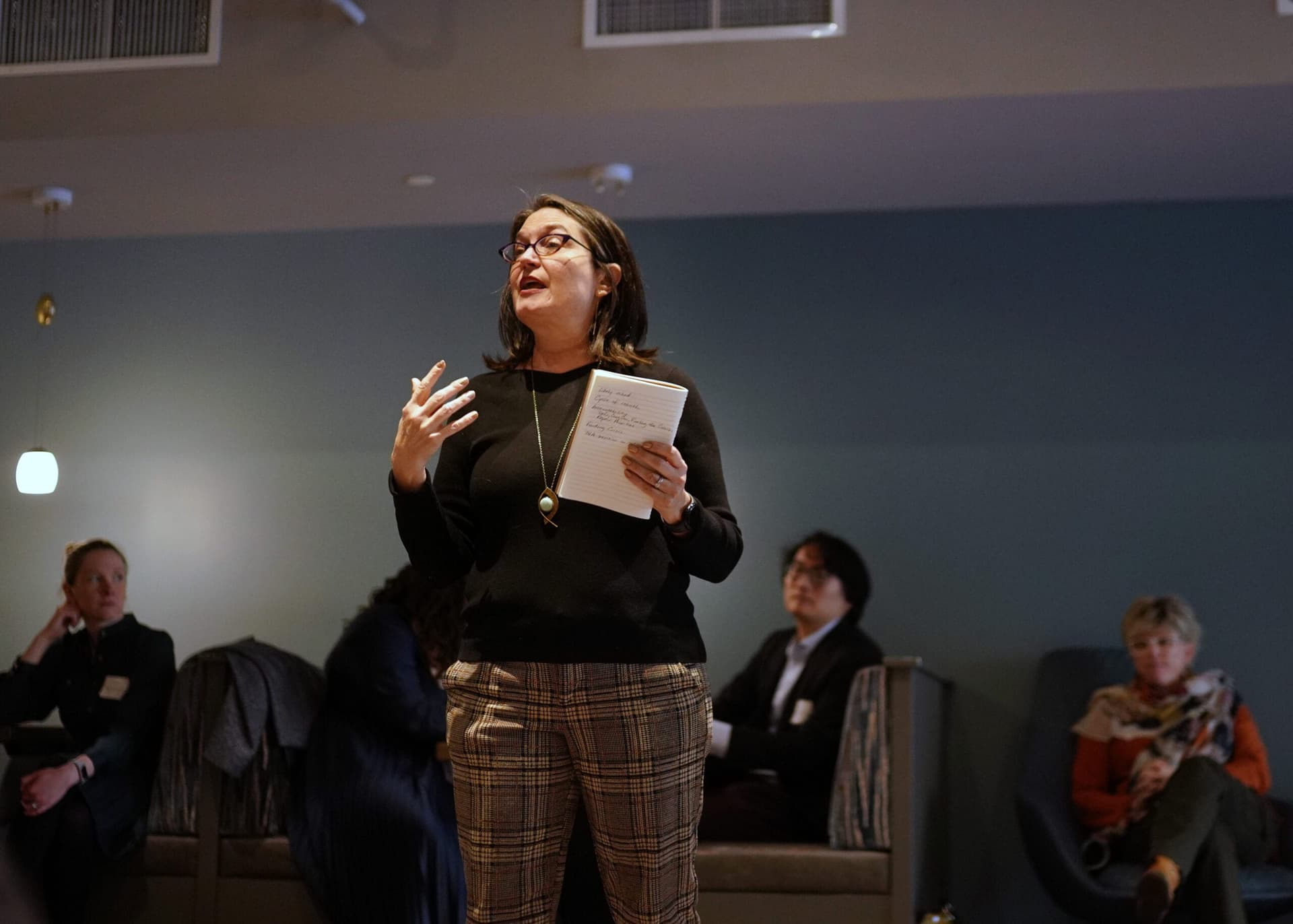
Impact
Smart Growth America cultivates vibrant, sustainable communities with diverse living and transportation options, enhancing quality of life for all.
Events
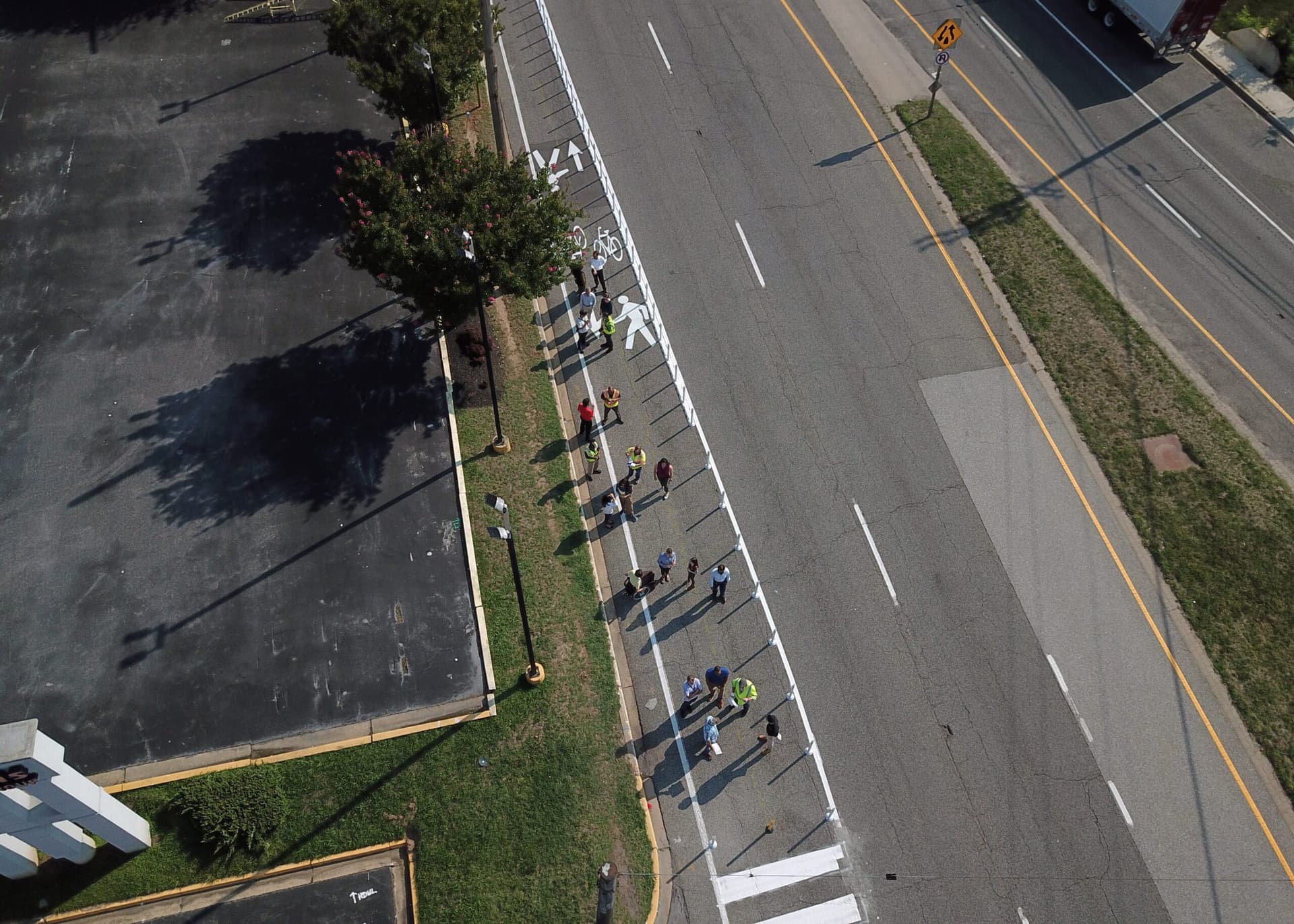
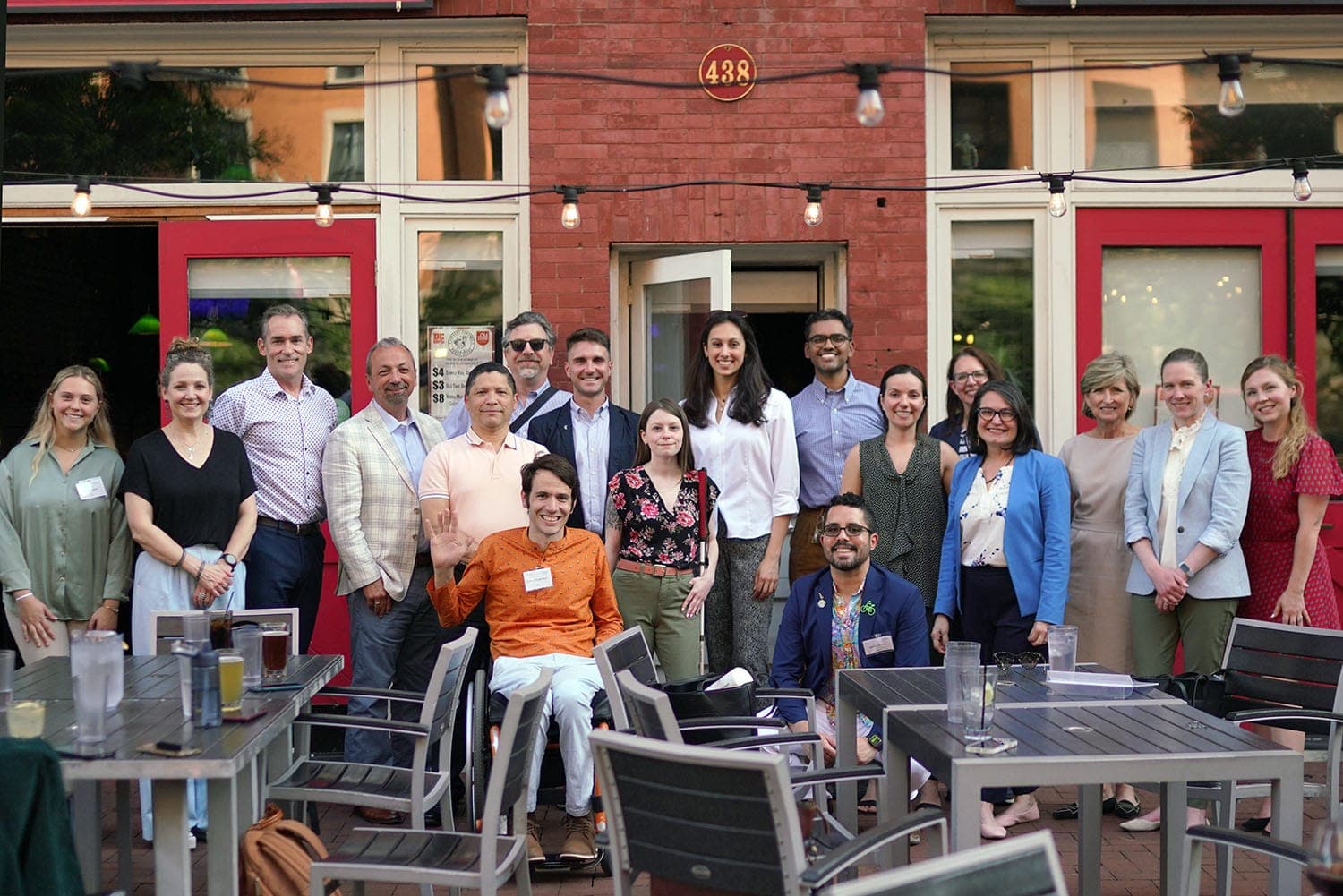
Throughout the year, we host a number of in-person and virtual events covering topics related to public health, social equity, and climate resilience.
Knowledge hub
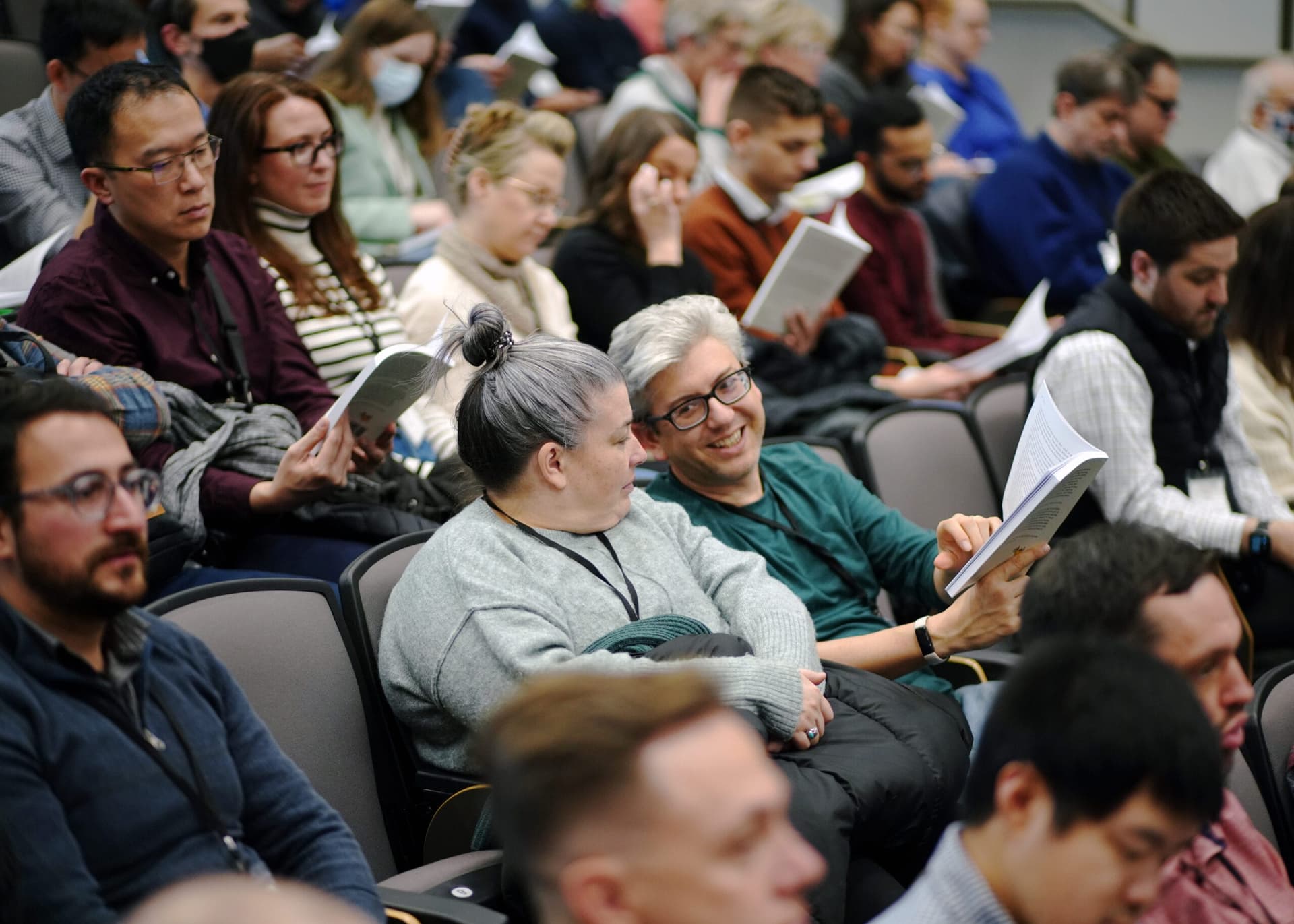
We offer a library of case studies, videos, and reports to support policymakers, practitioners, and advocates interested in advancing smart growth.
Explore our signature reports

Video
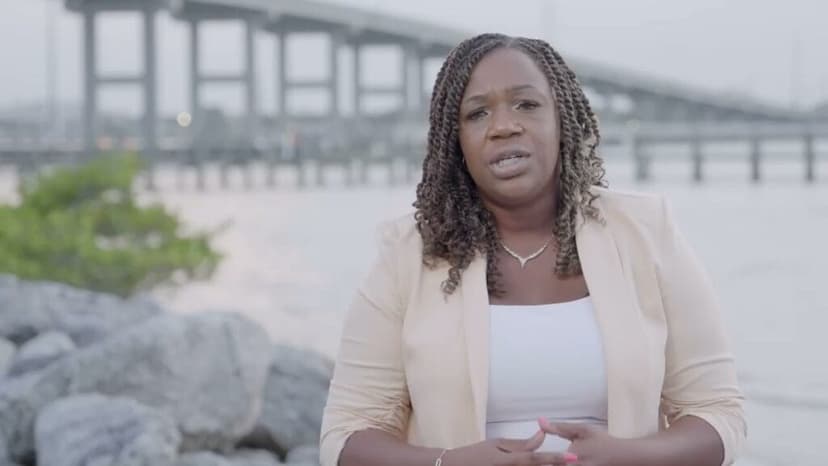
Flooding in Ft. Pierce: Building resilience in Florida
About the Video
In 2004, Hurricanes Charley, Frances, and Jeanne, all major hurricanes, wreaked havoc across large swaths of Florida, including the Treasure Coast region along Florida’s Atlantic shores, where St. Lucie County lies. Damaging winds and floods earned Florida the nickname “the Plywood State,” and the pace and severity of these flooding and storm events have only increased. Historically disinvested communities tend to be less prepared and harder hit by these disasters while facing more difficult recoveries, due to the legacies of institutional disinvestment and discriminatory policies. St. Lucie County is no exception. Majority-Black Ft. Pierce, especially in the Lincoln Park neighborhood, is seeing the effects of flooding against a backdrop of increased development through affordability issues and inadequate infrastructure.
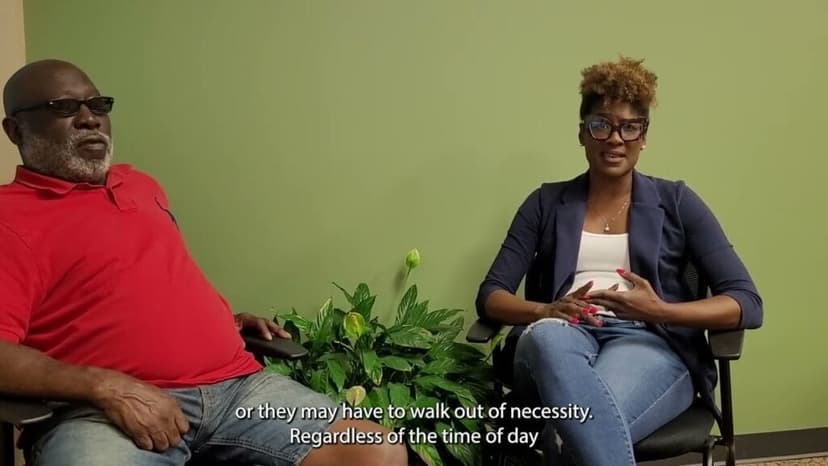
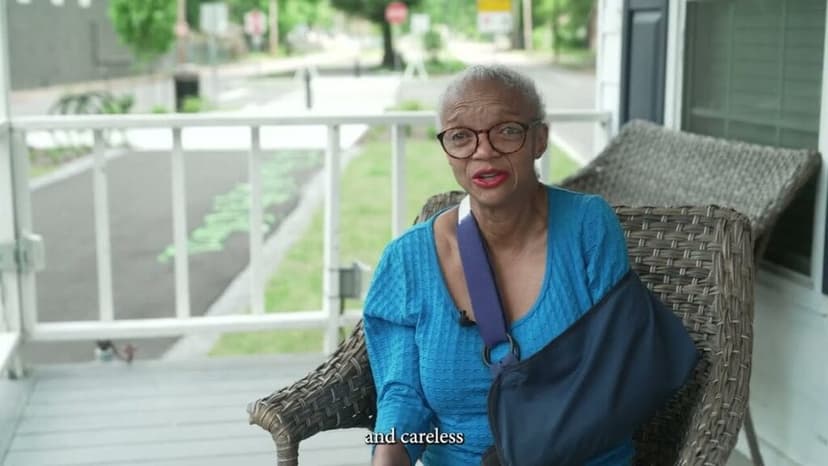
Smart Growth America partnered with Incubate Neighborhood Center, a community-based organization seeking to address systematic and institutionalized forms of racism, in the Ft. Pierce area to learn from community residents, business owners, government officials, and regional resilience partners about their experiences with flooding. The resulting video, “Ft. Pierce on the frontlines: Solutions for flooding and resilience” highlights the need for equitable and climate resilient land use and economic development policies in the region.
Special thanks to:
@Ecodeo
Canieria Gardner, Incubate Neighborhood Center
Teresa Bishop, Roundtable of St. Lucie County
Bishop Dr. Jonathan Ingram, St. Mark Missionary Baptist Church
Darcy L. McFolley, Sr., IGNITE Youth Alliance
Rachel Tennant, Fort Pierce Utilities Authority
Caleta Scott, Fort Pierce Housing Authority / Indian River Lagoon National Estuary Program
Paul Thomas, City of Fort Pierce
Angela Hayle, ACCH Insurance
Vincent Encomio, UF IFAS / Florida Sea Grant
Sonji Hawkins, St. Lucie County Public Safety
Oscar Hance, St. Lucie County Public Safety
Tessa Adams, Phatz Chick-N-Shack
Heathcote Botanical Gardens
Additional Resources
NOAA National Centers for Environmental Information: https://www.ncei.noaa.gov/access/billions/mapping
St. Lucie County Emergency Management: https://www.stlucieco.gov/departments-and-services/public-safety/disaster-preparedness
FEMA National Flood Insurance Program: https://www.fema.gov/flood-insurance
FEMA: What are Flood Zones and Maps: https://www.floodsmart.gov/flood-zones-and-maps
Local engagement opportunity: https://www.stlucieco.gov/departments-and-services/oxbow-eco-center/resilient-st-lucie-county
Browse Media Library
All Types

All Topics
All Tags












Subscribe to our newsletter
Livable places. Healthy people. Shared prosperity.


© 2026 Smart Growth America. All rights reserved
Site By3Lane Marketing
